Sell

عربي


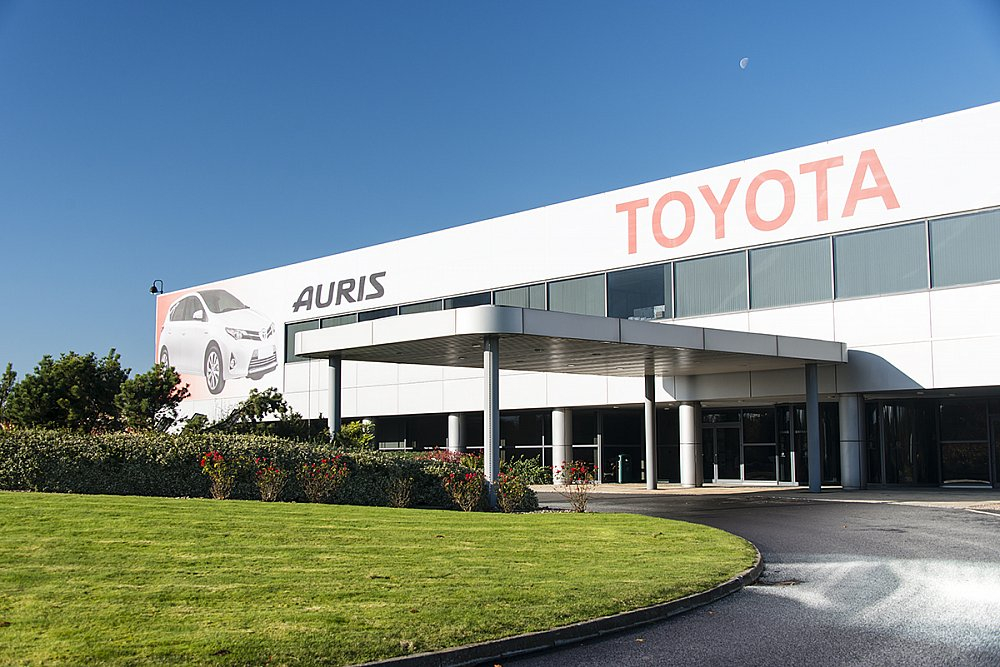
Toyota’s Circular Factory: Rethinking the Future of Automotive Manufacturing
 3/9/2026
The global automotive industry is undergoing a significant transformation—not only in how vehicles are powered, but also in how they are managed at the end of their lifecycle.
In line with this shift, Toyota has introduced a new circular manufacturing facility in Wałbrzych, Poland. Spanning 25,000 square meters, the facility is designed to process up to 20,000 end-of-life vehicles annually.
However, the initiative goes far beyond traditional recycling. For Toyota, it represents a long-term industrial and business strategy.
Why are automakers moving toward circular manufacturing?
Securing critical materials
By recovering materials such as copper, aluminum, steel, and plastics from end-of-life vehicles, manufacturers can reduce their reliance on volatile global commodity markets and complex supply chains.
Lower production costs
Refurbishing and remanufacturing components like batteries and wheels can be significantly more cost-effective than producing new parts using raw materials—especially as global material and energy costs continue to rise.
Building a closed production loop
Toyota aims to create a circular production system where materials recovered from older vehicles can be reused in the manufacturing of new ones, forming a sustainable and efficient resource cycle.
Preparing for the industry’s future
With increasing environmental regulations, resource scarcity, and geopolitical uncertainties, circular manufacturing is expected to play a key role in ensuring long-term sustainability in the automotive sector.
According to Leon van der Merwe, Toyota’s VP of Circular Economy, this facility represents Toyota’s second circular initiative in Europe, highlighting the company’s growing commitment to circular manufacturing practices.
At iQ Cars, we continue to monitor global automotive developments and highlight the trends shaping the future of mobility.
Explore Toyota cars on iQ Cars:
www.iqcars.net 🚗
Source: Based on insights originally reported by Evertiq.